Read about “Boom-Bust Cycles Constrain Host-Parasite Dynamics, Suppress Parasite Spread, and Drive Parasites Extinct” by Louis T. Bubrig and Amanda K. Gibson (July 2025)
Bubrig et al. modeled host-parasite interactions where the host population experienced recurring bottlenecks: turns out that bottlenecks can hugely benefit hosts in their quest to rid themselves of parasites!
Read about “Evolution Promotes Resilience of Marine Mixotrophic Metabolic Strategies to Thermal Stress” by Kevin M. Archibald, Stephanie Dutkiewicz, Charlotte Laufkötter, and Holly V. Moeller (October 2025)
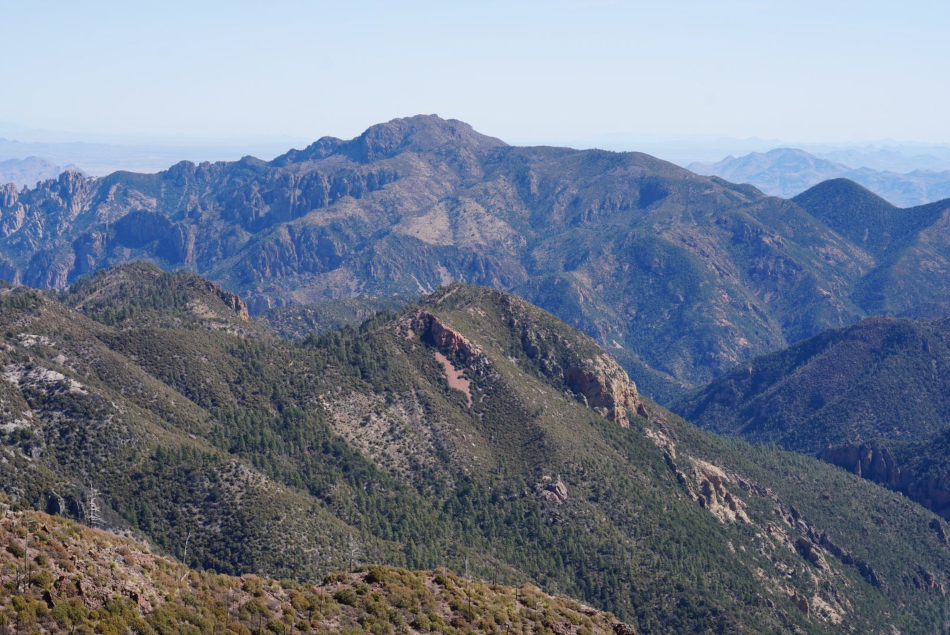
Read about “What Is an Elevational Range?” by Ethan B. Linck (October 2025)
Elevational ranges are a focus of intense study, particularly as climate change drives species upslope. But what, exactly, are they, and how do we measure them? In his new Synthesis, Linck addresses these questions and more with community science data
Read about “Stronger Historical Contingency Facilitates Ecological Specializations: An Example with Avian Carotenoid Networks” by Erin S. Morrison, Caitlin M. Hill, and Alexander V. Badyaev (September 2025)
Are specializations evolutionary dead ends? Morrison et al. reveal that in bird carotenoid evolution, continuity and stability are two sides of the same coin
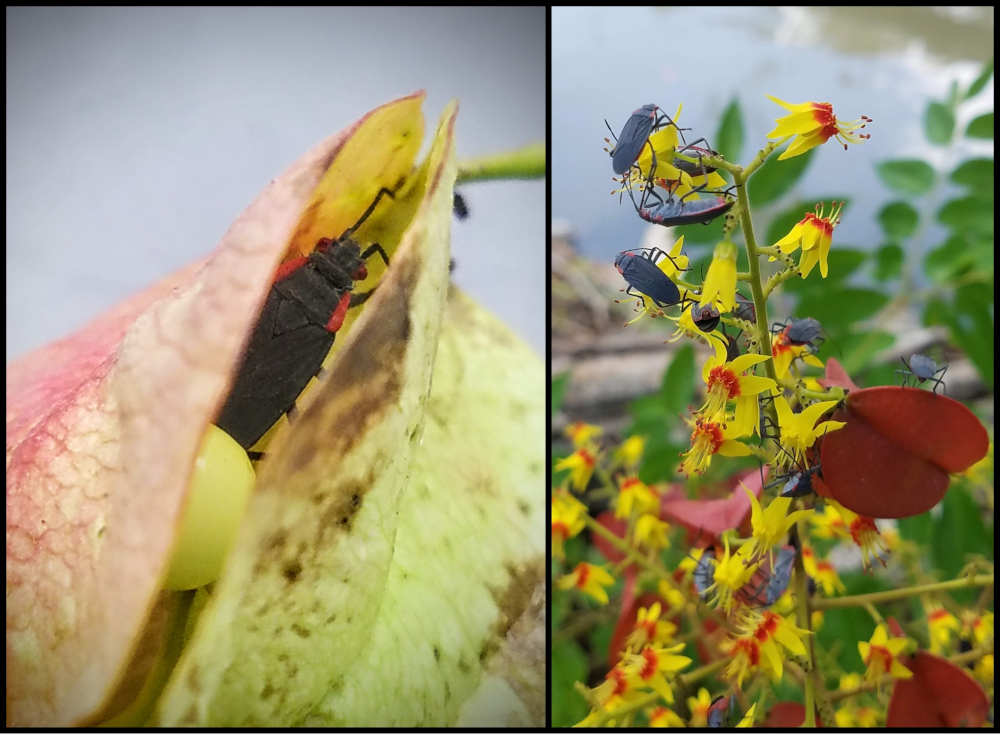
Read about “A New Twist on an Old Story: Pollination and Seed Predation in Jadera haematoloma” by Mattheau S. Comerford, Scott. P. Carroll, and Scott P. Egan (August 2025)
Comerford et al. uncover the red-shouldered soapberry bug as the first Hemipteran pollinating seed predator, reshaping our understanding of this guild and its role in evolution and ecological resilience. A discovery bridging natural history and evolution!
Read about “Cytoplasmic Male Sterility Declines in the Presence of Resistant Nuclear Backgrounds” by Fanny Laugier, Kévin Béthune, Florian Plumel, Céline Froissard, Jean-Marc Donnay, Timothée Chenin, François Rousset, and Patrice David (July 2025)
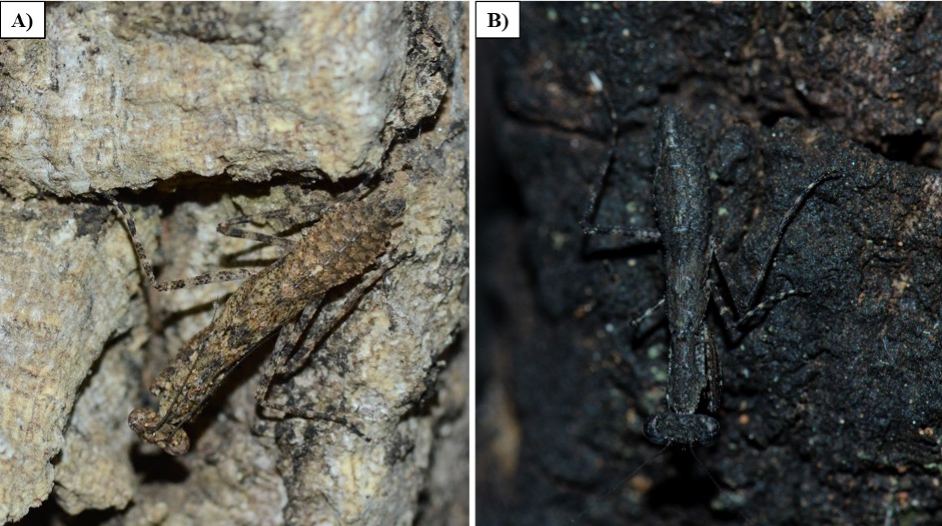
Read about “Differential survival and background selection in cryptic trunk-dwelling arthropods in fire-prone environments” by João Vitor de Alcantara Viana, Rafael Campos Duarte, Carolina Lambertini, Felipe Capoccia, Anna Luiza Oliveira Martins, Camila Vieira, and Gustavo Quevedo Romero (December 2024)
Fire events impair animal camouflage. Animals adapt by choosing suitable backgrounds or being polymorphic, reducing predation risks. Our study shows how spiders find the best spots and how grasshoppers and mantises thrive on burned and unburned trunks in a neotropical savanna
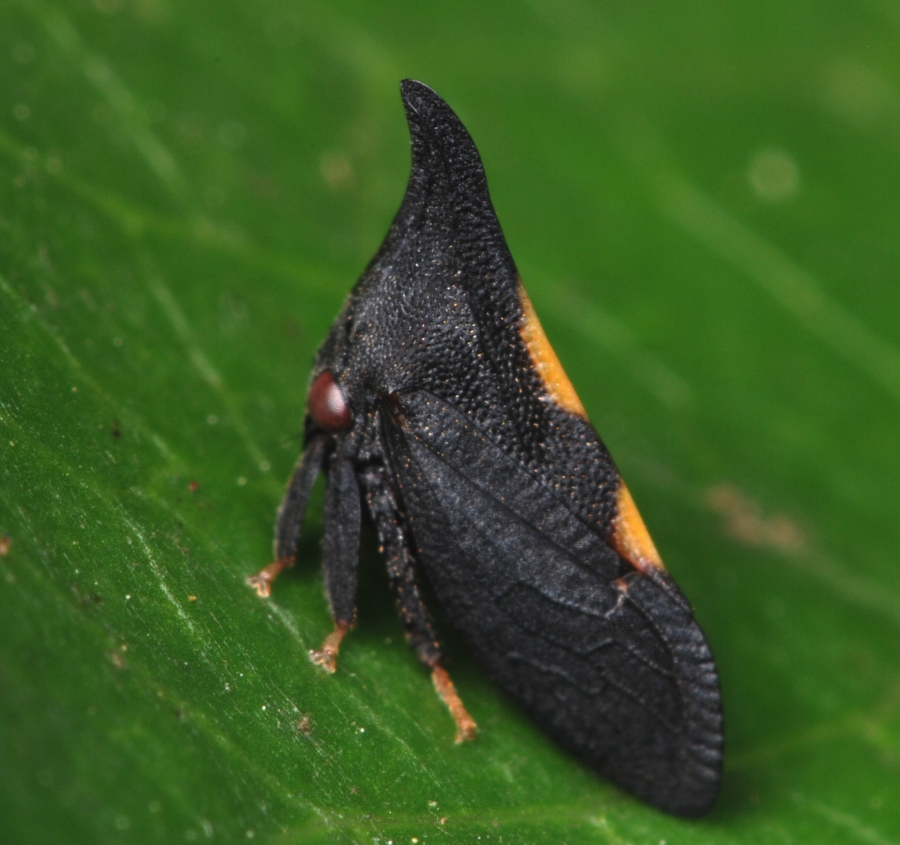
Read about “The Means of Signal Divergence Early in a Host Shift” by Rafael L. Rodríguez, Thomas K. Wood, Frank W. Stearns, Robert L. Snyder, Kelley J. Tilmon, Michael S. Cast, Randy E. Hunt, and Reginald B. Cocroft (August 2025)
How do mating signals diverge early in speciation? Experimental host shifts with Enchenopa treehoppers resulted in subtle but non-trivial signal divergence in a few generations. This was fueled by standing genetic variation and plasticity, and unrelated to host specialization
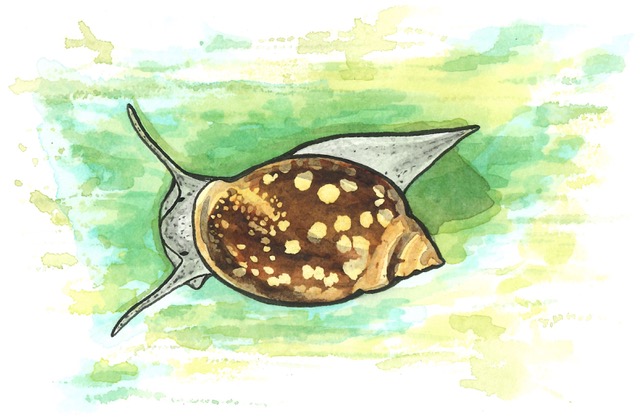
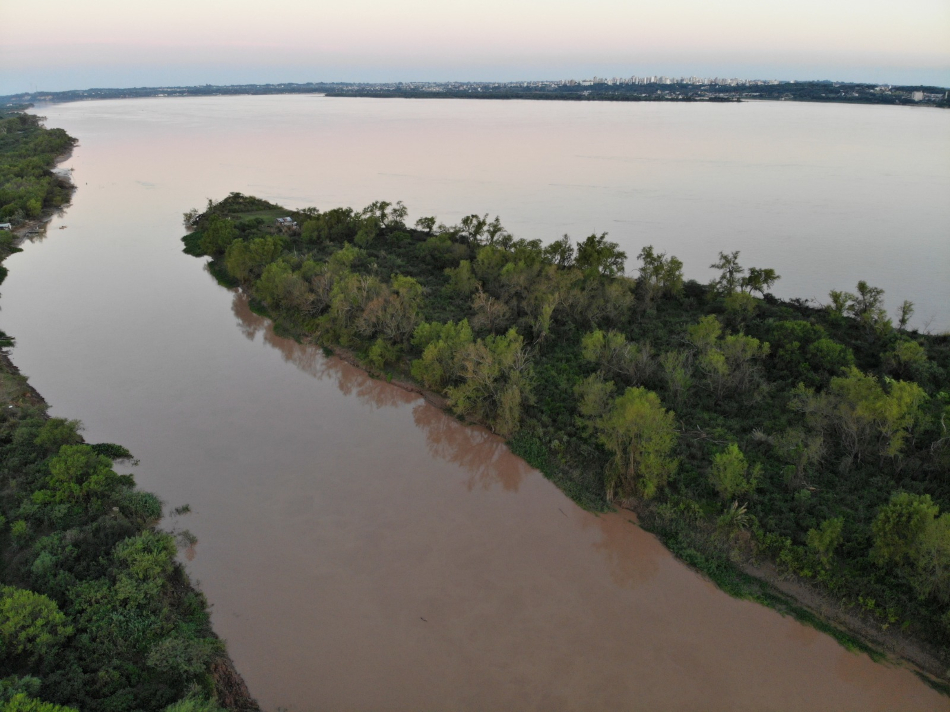
Read about “Food Web Structure Mediates Positive and Negative Effects of Diversity on Ecosystem Functioning in a Large Floodplain River” by Dalmiro Borzone Mas, Pablo A. Scarabotti, Patricio Alvarenga, Pablo A. Vaschetto, and Matías Arim (August 2025)
How are diversity, food web structure and ecosystem functioning related? Here Borzone Mas et al. analyze the interrelationship between these three components in predatory fishes of the Paraná River
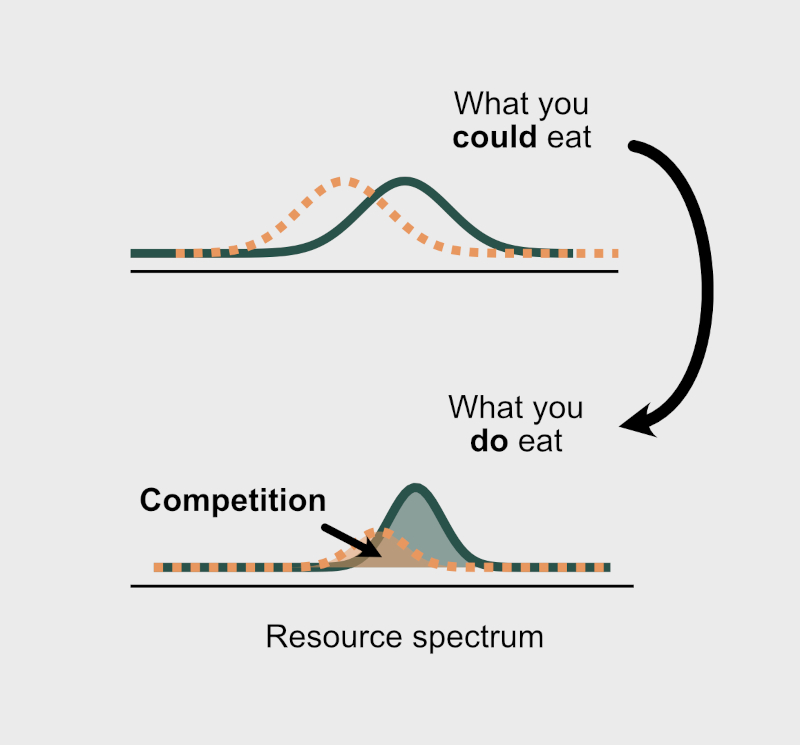
Read about “MacArthur’s Consumer-Resource Model: A Rosetta Stone for Competitive Interactions” by Jawad Sakarchi and Rachel M. Germain (March 2025)
Sakarchi & Germain break down MacArthur’s consumer resource model with insights on the mechanistic understanding and biological intuition of how competition and coexistence operate